
Sharm El Sheikh
Everything you need to plan a trip to Egypt's Red Sea resort town — the best things to do, where the divers go, what a day actually costs, and how the whole town fits together.
Updated September 2026
About Sharm El Sheikh

Sharm El Sheikh sits at the southern tip of the Sinai Peninsula, where two seas meet and the desert drops straight into some of the clearest water in the world. It's built around a handful of bays — Naama Bay, Sharks Bay, Nabq — each with its own hotel strip, house reef and pace.
What makes it work as a destination is the range: you can spend a morning underwater at a national park, an afternoon doing nothing on a sunbed, and an evening climbing a mountain in the dark to catch sunrise from the top of Sinai. Most of it is bookable as a half-day trip, so a week here rarely feels repetitive.
💡 Did You Know?
The Red Sea is the world's northernmost tropical sea, and around 10% of the species living in it are endemic — found nowhere else on Earth. Ras Mohammed, at Sharm's southern tip, became Egypt's first national marine park back in 1983 to help protect them.
Sharm El Sheikh
Sharm sits on the southernmost tip of Sinai, where the Gulf of Aqaba and Gulf of Suez meet the open Red Sea. The resort strip runs roughly 35 km from Nabq Bay in the north down to Ras Mohammed National Park in the south, with the airport (SSH) about in the middle.
By road it's around 500 km / 6-7 hours from Cairo, 90 km across the water from Hurghada (about 6 hours by road via Suez), and just 100 km / 1.5 hours from Dahab.
How to Get There
By air (the fastest route)
For European and Gulf travellers, flying directly into SSH airport is the easiest option — charter and scheduled carriers run year-round from London, Manchester, Milan, Rome, Frankfurt, Munich, Moscow, Istanbul, Warsaw, Prague and Dubai. From Cairo, EgyptAir runs multiple daily domestic flights (about 1 hour, from €60).
Airport transfer & taxis
Pre-booked hotel transfers cost €10-25 per person one-way. Metered taxis run €8-15 to Naama Bay and €15-25 to Nabq Bay. We recommend arranging a private transfer in advance — airport taxis often quote foreign visitors 2-3× the local rate. Uber and Careem do not operate in Sharm.
Overland from Cairo
The most comfortable overland option is the GoBus or Blue Bus service from Cairo Abbassia or the airport (about 7 hours, from €18). Self-drive is possible on the Suez-Taba road but involves multiple police checkpoints — expect a slower trip and bring your passport. Ferry service from Hurghada has been intermittent in recent years; always confirm before booking.
Where to Stay
🌴 Naama Bay
Best for first-time visitors and walkable nightlife. The original resort strip — palm-lined promenade, open-air cafés, and most 4-5 star hotels within walking distance of each other.
🏖️ Nabq Bay
Best for families and all-inclusive stays. North of the airport, with newer, more spread-out gated resorts, calm lagoon-like water and better house reefs — though you'll rely on hotel shuttles more than walking.

🤿 Shark's Bay
Best for divers on a budget. Right on one of Sharm's best house reefs, with smaller, more informal hotels and a dive-focused crowd. Close to SOHO Square.

🛍️ Old Market district
Not a hotel area — this is the original fishing-village core, home to Al Sahaba Mosque, the spice souq and the cheapest, most authentic food in town. Worth an evening visit even if you're staying elsewhere.

⛰️ Hadaba & Ras Um Sid
Best for dramatic cliff views, mature travellers and quieter stays. A plateau above the cliffs south of Naama Bay, with upscale resorts, the iconic Ras Um Sid lighthouse reef and far fewer partygoers. You'll need a taxi to get anywhere else.

🏝️ Ras Nasrani
Best for divers, isolation and luxury seekers. The northernmost strip, right next to the Tiran Straits dive sites — newer upscale properties, long private beaches and almost zero passing traffic.
Why Choose
🐠 World-class reefs, minutes from shore
Ras Mohammed and the Straits of Tiran are among the best-preserved reef systems in the Red Sea, and most of it is a short boat ride from the marina.
🏜️ The desert is right there
You're never more than an hour from Sinai's mountains and canyons — Mount Sinai, St Catherine, the Colored Canyon are all realistic half-day or evening trips.
🧳 Built for every travel style
Family resorts with calm bays, dive-focused hotels near the reef, and a lively Naama Bay strip for nightlife all exist within the same small town.
☀️ Reliable year-round sun
Sharm gets over 300 sunny days a year — even the 'cold' months rarely dip below the high teens Celsius in the day.
🌊 Serious marine biodiversity
Around 1,000 recorded fish species and over 200 coral species live in these waters — the Gulf of Aqaba's mix of currents makes it unusually rich for a beach destination this easy to reach.
✈️ Short flights from most of Europe
Direct charter and scheduled flights connect Sharm to the UK, Germany, Italy, Poland, the Czech Republic and beyond — often 4-5 hours in the air, not a long-haul commitment.
⛰️ Real cultural weight
Mount Sinai and St Catherine's Monastery — a UNESCO World Heritage site built around the biblical Burning Bush — turn a beach trip into something with real history, and both are realistic single overnight or day trips from Sharm.
🗺️ A base for bigger trips
Sharm makes a genuinely usable base for bigger trips — Cairo and Luxor are a short flight away, and Petra (Jordan) or Jerusalem are realistic day or overnight add-ons if you want more than one country in the same holiday.
🏖️ Three very different beaches
Naama Bay, Shark's Bay and Ras Um Sid each have a different personality but the same crystal-clear water — a lively palm-lined promenade, a snorkel-from-shore house reef, or a quiet cliff-top view, depending on the day.
👨👩👧 Genuinely family-friendly
Aqua parks, submarine and glass-bottom boat tours, and shallow snorkel bays mean there's a real day plan for kids and non-swimmers too — not just a beach to sit on while the divers go out.
Things to Do
- 1
Snorkel or Dive Ras Mohammed National Park
Egypt's first marine national park, and still its best — vertical reef walls, resident turtles and some of the healthiest hard coral in the Red Sea.
- 2
Snorkel Sail to Tiran Island
A full-day boat trip across the Straits of Tiran, stopping at four separate reef systems — no diving license needed, high odds of spotting turtles.
From €30Read More - 3
Hike the Colored Canyon
A narrow sandstone gorge striped red, yellow and purple, about 90 minutes north of Sharm — an easy hike through rock arches and shoulder-width slot sections.
From €40Read More - 4
Climb Mount Sinai at Sunrise
A night departure, a 2,285-metre summit, and a sunrise most travelers rate as the single most memorable thing they did in Egypt.
- 5
Quad-Bike the Sinai Desert
A 2-3 hour ride across open desert to a Bedouin camp for tea, a camel ride and sunset — the easiest half-day adventure on this list.
- 6
Shop the Old Market
Sharm's real bazaar — spice stalls, papyrus shops, hand-painted ceramics and tiny grill restaurants tucked between the lanes.
- 7
Visit Al Sahaba Mosque & Naama Bay
Twin minarets, Ottoman-style domes and intricate geometric patterns — Sharm's most photogenic building, paired with a stroll along its liveliest beach strip.
- 8
Bedouin Dinner & Camel Ride Under the Stars
Camel riding, traditional drumming, an open-sky BBQ and near-zero light pollution for genuinely vivid stargazing.
From €22Read More - 9
Snorkel the Blue Hole (Dahab Day Trip)
A 130-metre vertical shaft of cobalt water two hours north of Sharm, legendary among freedivers and beginner-friendly on the shallow Saddle side.
- 10
Semi-Submarine Reef Tour (No Swimming Required)
See the reef through panoramic underwater windows — the easiest option for young children, non-swimmers or anyone who'd rather stay dry.
Suggested Itineraries
3-Day Itinerary
- Day 1 — Arrival, settle in, sunset walk along Naama Bay.
- Day 2 — Full-day Ras Mohammed snorkel or dive boat trip.
- Day 3 — Evening quad-bike desert safari with Bedouin dinner, fly out or extend.
5-Day Itinerary
- Day 1 — Arrival, Naama Bay & SOHO Square in the evening.
- Day 2 — Ras Mohammed boat trip.
- Day 3 — Tiran Island snorkel sail (4 reefs).
- Day 4 — Colored Canyon hike + desert time.
- Day 5 — Old Market shopping, Al Sahaba Mosque, beach afternoon.
7-Day Itinerary
- Day 1 — Arrival & Naama Bay.
- Day 2 — Ras Mohammed boat trip.
- Day 3 — Tiran Island snorkel sail.
- Day 4 — Mount Sinai sunrise climb + St Catherine's Monastery.
- Day 5 — Colored Canyon & Blue Hole day trip to Dahab.
- Day 6 — Desert safari & Bedouin dinner.
- Day 7 — Old Market, beach, departure (or add an optional Cairo day trip by air).
Top Attractions

🌴 Naama Bay Promenade
Sharm's beating heart — a palm-lined beachfront strip of cafés, dive shops and restaurants. Free to walk, and the easiest place to grab a taxi anywhere else on this list.
⛲ SOHO Square
A modern entertainment plaza with an ice rink, dancing fountain shows every evening, and dozens of restaurants — free to enter, popular with families.
🛍️ Old Market (El Souq)
Sharm's authentic bazaar side — spice stalls, papyrus shops and grill restaurants. Bargaining is expected; 30-40% off the first price is normal.

🕌 Al Sahaba Mosque
Twin minarets and Ottoman-style domes right next to the Old Market — one of the most photogenic buildings in town, especially at blue hour.

🐢 Ras Mohammed National Park
Egypt's first marine national park — the reason most divers pick Sharm over anywhere else on the Red Sea coast.

🚢 The SS Thistlegorm wreck
A WWII British cargo ship sunk in 1941 in the Strait of Gubal, its hold still full of motorcycles, trucks and rifles — ranked among the world's best wreck dives, for certified divers only.
By the Numbers
1,000+
Fish Species
200+
Coral Species
30+
Dive Sites
300+
Sunny Days a Year
FAQ
Yes — the resort area is heavily geared toward tourism with visible tourist police, and solo travelers (including women) commonly report feeling comfortable walking Naama Bay and booking group tours.
No — most boat trips to Ras Mohammed and Tiran Island include snorkeling stops over shallow reef that need no certification, and beginner 'discover scuba' sessions are widely available.
4-5 days covers the highlights comfortably: a couple of beach/reef days, one desert day (Colored Canyon or Mount Sinai), and time to relax. A week lets you add Dahab's Blue Hole or a Luxor/Cairo day trip.
Many nationalities can get a free Sinai-only entry stamp on arrival, valid for the Sharm/Sinai region for a limited number of days. A full Egypt visa is needed if you plan to visit Cairo or Luxor as well — check requirements for your passport before you travel.
Stick to bottled water, which is cheap and sold everywhere. Ice in reputable hotels and restaurants is generally made from filtered water, but bottled is the safe default elsewhere.
Hotel tour desks are convenient but often mark prices up. Booking directly with a licensed local operator (like this site) typically costs less for the same boat, guide and safety standard, since you're not paying a hotel commission layer.
Ras Mohammed National Park (Shark & Yolanda Reef) is the top pick for reef walls and marine life, the SS Thistlegorm wreck is the big draw for advanced divers, and the Straits of Tiran plus Ras Um Sid's house reef are excellent for diving and snorkeling closer to shore.
March-May and September-November are the sweet spot — warm enough to swim, cool enough for desert hikes, and the best overall diving visibility. Summer (June-August) is very hot but has the cheapest hotel rates; winter (December-February) is peak season with mild days and cooler evenings.
Naama Bay is the liveliest, with cafés and dive shops right on the sand. Shark's Bay has a house reef you can snorkel straight from shore, and Ras Um Sid is quieter with dramatic cliff views and one of the best shore-accessible reefs in town.
A quad-bike safari with a Bedouin camp stop is the classic half-day option, and Sinai's mountains add the Mount Sinai sunrise climb and the Colored Canyon hike as full desert-day trips. Most desert tours end with a Bedouin dinner and stargazing.
Snorkeling covers most of the same reefs as diving with no certification needed, and boat trips to Tiran Island or White Island add a full day on the water. For non-swimmers or young kids, glass-bottom and semi-submarine boats show the reef without getting wet.
Ras Mohammed National Park and the Old Market are the two not-to-miss stops, alongside SOHO Square for its evening fountain show, Al Sahaba Mosque for its architecture, and the Naama Bay promenade for an easy evening walk.
3 days covers the basics: a beach day, a Ras Mohammed boat trip, and a desert safari. With 5-7 days you can add Tiran Island, the Colored Canyon, and a Mount Sinai sunrise climb — see the full day-by-day itineraries above.
Popular Tours
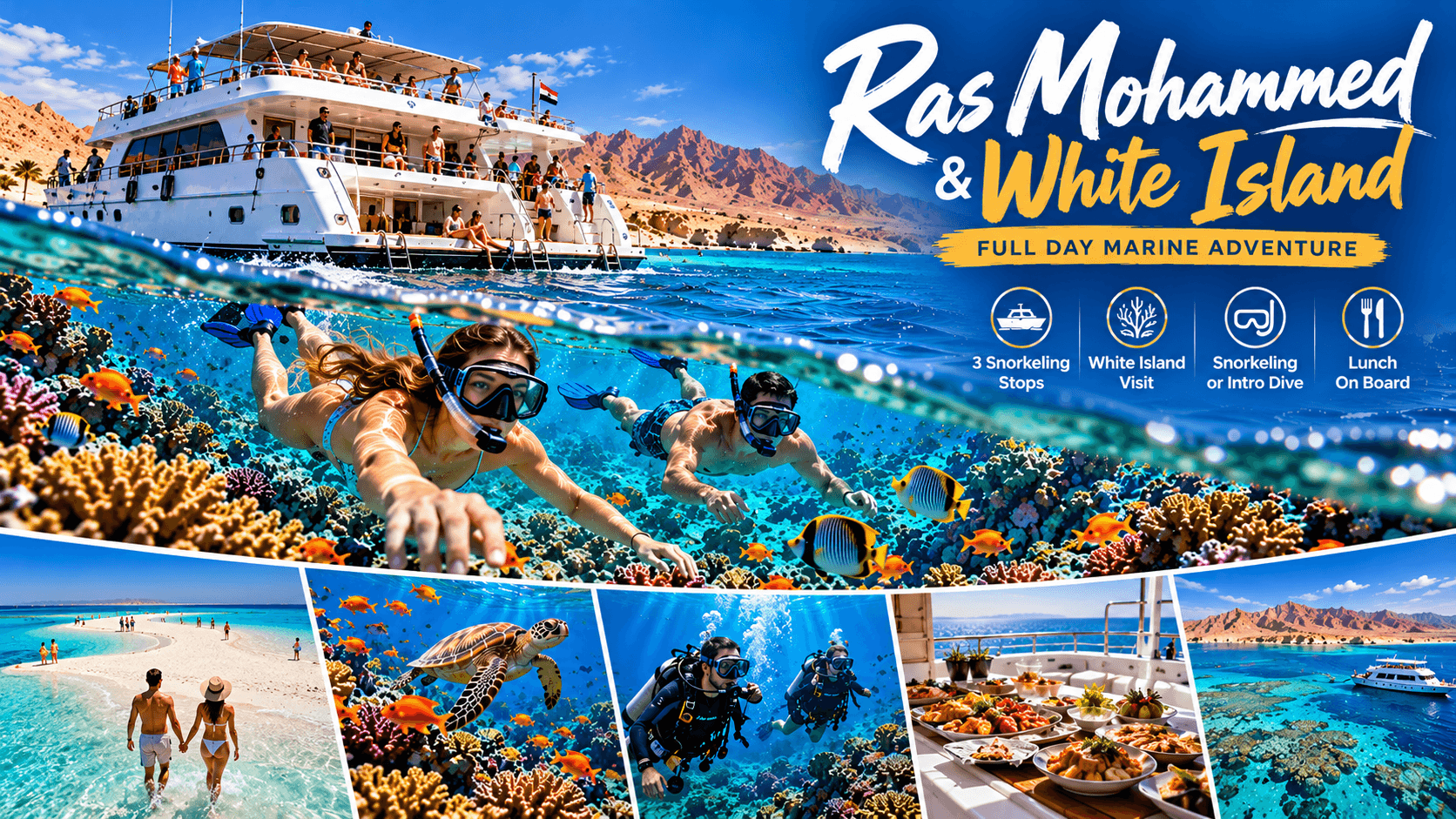
Sharm El Sheikh: Ras Mohammed Snorkeling
Snorkel Ras Mohammed's dramatic coral walls on a boat trip with three dedicated stops inside Egypt's premier marine national park.
From
$31.18 / per person

Stargazing, Quad Bike & BBQ Desert Night
A private quad bike ride into the desert hills, followed by telescope stargazing and a BBQ dinner under Sharm's clearest night sky.
From
$56.25 / per person

Car & Driver — Up to 3 Locations (3 Hours)
Enjoy a private tour of Sharm El Sheikh in an air-conditioned car with a driver. Choose 3 places of your own, or follow our recommended City Tour to discover some of the city’s highlights in comfort and flexibility.
From
$30 / per person
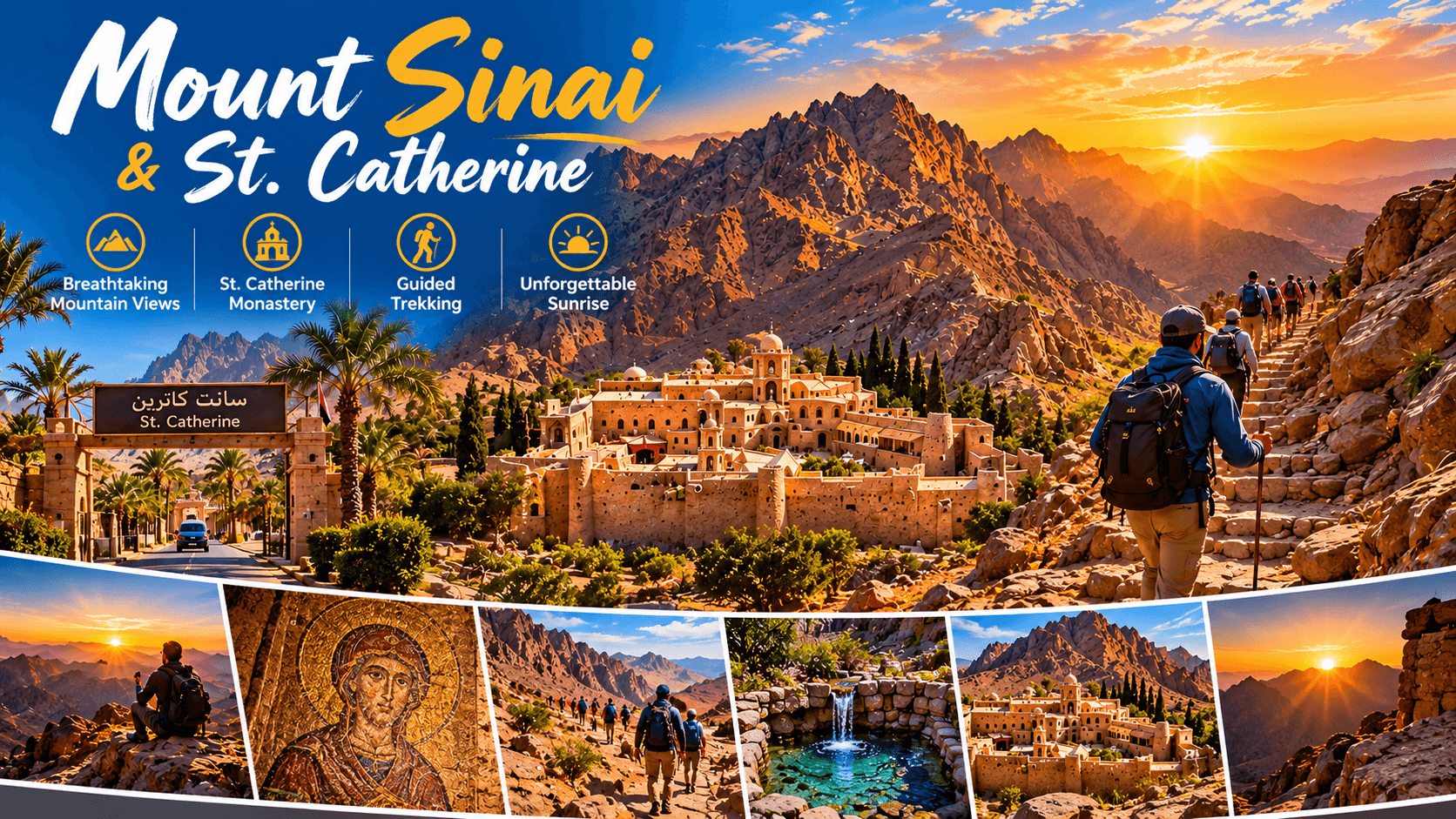
Mount Sinai Sunrise Hike
Leave in the evening, climb Mount Sinai by torchlight to reach the summit for the very first moments of sunrise, then visit St. Catherine's Monastery (every day except Sunday).
From
$60 / per person
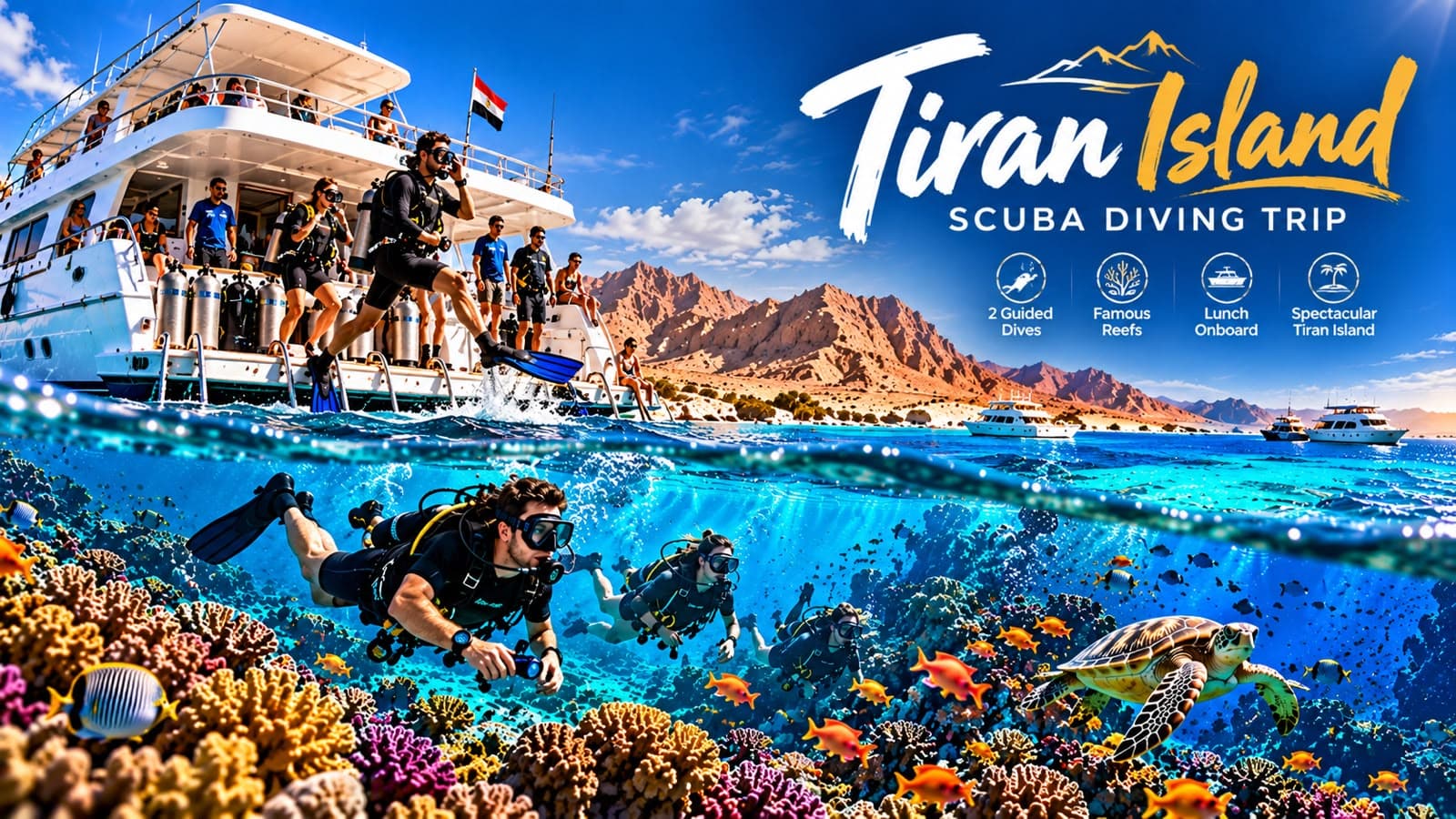
Sharm El Sheikh: Straits of Tiran Certified Diving
Two guided dives at the famous reefs of the Straits of Tiran for certified divers, with optional gear rental and a third dive.
From
$110 / per person

Dahab Canyon, ATV & Camel Tour (from Sharm El Sheikh)
A full private day combining Dahab's narrow desert canyon, an ATV ride and a camel stop, with lunch included.
From
$83.78 / per person
Ready to Explore Sharm El Sheikh?
Discover the perfect mix of history, adventure and relaxation. Whether you're after ancient wonders, desert thrills or a peaceful escape, Sharm El Sheikh has an unforgettable trip waiting.
Weather
When is the Best Time to Visit Sharm El Sheikh?
The sweet spot for a Sharm El Sheikh trip is mid-April to early June and September to mid-November — those shoulder seasons balance comfortable temperatures, excellent water conditions, fair prices and manageable crowds.
Best for Diving
March-May — visibility up to 30 metres
Best for Desert Activities
October-April — comfortable daytime temperatures
Best for Beach Relaxation
May-October — warm, swimmable sea temperatures
Best Value Period
April-May and September-October — lower prices, fewer crowds
Winter (Dec-Feb, 18-25°C)
Mild, sunny days with cooler evenings around 10-15°C. Sea temperature (21-23°C) is still swimmable but a wetsuit is worth it for longer dives. Egypt's peak tourist season, so book accommodation early.
Top Winter Activities
- Day trips to Cairo, Luxor or St Catherine's Monastery
- Desert quad-biking in comfortable daytime temperatures
- Bedouin dinners under clear, crisp night skies
- Old Market and Naama Bay evening strolls
Winter Travel Tips
- Pack a light jacket for evenings (10-15°C)
- A 3-5mm wetsuit keeps diving comfortable
- Book Christmas/New Year stays well ahead — this is peak season
Spring (Mar-May, 22-32°C)
Consistently pleasant, with the sea warming toward 24-27°C and winter crowds thinning out. Widely considered the best diving visibility of the year, and a strong pick for desert hikes too.
Top Spring Activities
- SS Thistlegorm and Ras Mohammed dives
- Blue Hole and Dahab day trips
- Evening promenades in Naama Bay and SOHO Square
- Sinai desert trekking
Spring Travel Tips
- March-May offers the best overall water visibility
- Pack light layers for cooler early mornings
- Check Ramadan dates in advance — some dining hours shift
Summer (Jun-Aug, 35-45°C)
Hot days, warm nights, and sea temperatures peaking at a very comfortable 27-29°C. Low season for hotel prices — schedule outdoor activities before 10am or after 4pm and lean on submarine or glass-bottom boat tours to stay cool while still seeing the reef.
Top Summer Activities
- Submarine or glass-bottom boat tours to stay cool while exploring reefs
- Yacht cruises with snorkeling stops at sheltered bays
- Evening desert safaris once temperatures drop
- Water parks and resort pools
Summer Travel Tips
- Use SPF 50+, UPF clothing and a wide-brim hat
- Drink 3-4 liters of water daily
- Schedule outdoor tours before 10am or after 4pm
- Expect the best flight and hotel deals of the year
Fall (Sep-Nov, 25-35°C)
A second sweet spot after spring — warm days, pleasant evenings, sea around 24-27°C, and high season starting to build again from October. Good light for underwater photography too.
Top Fall Activities
- Tiran Island boat trips with gentle currents
- Colored Canyon and Blue Hole excursions
- Mount Sinai sunrise hikes
- Snorkeling with especially lively marine life
Fall Travel Tips
- Reserve accommodation early — this is high-demand season
- Pack light layers for breezy evenings
- Bring camera gear — autumn light suits underwater photos
Shopping
 📜 Egyptian papyrus
Hand-painted sheets featuring hieroglyphics or modern designs, €5-50 depending on size — best bought at the Old Market or SOHO Square.
Buying Tips
- Genuine papyrus is flexible and doesn't crack when bent
- Look for detailed, even brushwork
- Ask for a certificate of authenticity on larger pieces
 🧴 Natural perfumes & essential oils
Egypt's perfume tradition goes back to Cleopatra's era — concentrated fragrance oils sold loose, without the alcohol used in Western perfumes, so a little goes a long way. €10-40 depending on the scent and bottle. Look for licensed perfumers in the Old Market rather than street stalls.
Buying Tips
- Test oils on your skin, not paper — they smell different once warmed by body heat
- Genuine oils don't leave a greasy residue after a few minutes
- Start with a small sample bottle before committing to a large one
 🌶️ Spices & hibiscus tea
Cumin, saffron blends and vivid red hibiscus (karkade) tea are Old Market staples, usually €3-15.
Buying Tips
- Smell the spices to check freshness and potency
- Buy from a stall with visible turnover
- Vacuum-sealed packs travel better than loose spices
 💍 Bedouin silver jewelry
Cartouches with your name in hieroglyphics, plus Ankh and Eye of Horus pendants, sold by weight from roughly €20 up.
Buying Tips
- Check for a quality stamp (18K, 21K or 925)
- Compare prices at more than one shop
- Order a custom cartouche early in your trip — engraving takes a day or two
 🏺 Alabaster carvings
Translucent stone scarabs, small pyramids and vases, hand-carved in Old Market workshops. €10-100+.
Buying Tips
- Real alabaster feels cool to the touch and is slightly translucent
- Hand-carved pieces have small natural imperfections
- Plastic imitations are noticeably lighter and perfectly uniform
 🎨 Colored sand art
Small glass bottles hand-layered with dyed desert sand into camels, sunsets or your name, made to order at street stalls in a few minutes. €3-20 depending on size — best from Naama Bay and the promenade stalls.
Buying Tips
- Watch the artist layer your bottle — it's part of the fun and confirms it's made fresh, not pre-made
- Check the cork or cap is sealed properly before you pack it
- Ask for a custom name or short message, most stall artists do it free
Travel Tips
📌 Good to Know
Getting around
Metered taxis and hotel shuttles cover most of the resort strip; agree on a fare before getting in if the meter isn't used. Ride-hailing apps have limited coverage in Sharm compared to Cairo, so a pre-arranged transfer is usually more reliable for airport runs.
Connectivity
Local SIM cards are cheap and available right at Sharm airport, with generous data packages — pick one up after baggage claim instead of relying on patchy hotel WiFi.
🕌 Culture & Practical
Reef-safe sun protection
Reef-safe (mineral) sunscreen is worth packing — several protected snorkel/dive sites actively discourage chemical sunscreens to protect the coral.
Dress code away from the beach
Beachwear is fine at the resorts, but cover shoulders and knees for the Old Market, mosques and St Catherine's Monastery.
Basic Arabic goes a long way
"Shukran" (thank you) and "min fadlak" (please) are appreciated everywhere, especially in the Old Market where a friendly word before bargaining tends to soften the opening price.
🎒 What to Pack
Sun & swim gear
Reef-safe sunscreen, a wide-brim hat, UV sunglasses and at least two swimsuits so you always have a dry one.
Modest layer for towns & mosques
One light, shoulders-and-knees-covered outfit for the Old Market, Al Sahaba Mosque and St Catherine's Monastery.
Dive/snorkel documents
Bring your certification card if you dive, and a printed or digital copy of your travel insurance.
🏥 Health & Safety
Hydration
Drink 2-3 liters of bottled water a day, more after diving or a desert excursion.
Medications
Pack any personal medication in its original packaging, plus a basic travel first-aid kit.
Heat awareness
Midday sun (roughly 12-3pm) is intense even in winter — plan the heaviest walking for morning or late afternoon.
🌊 Water Activities
Check conditions before booking
Wind and visibility can shift with the season — ask your operator about conditions before committing to a boat day.
Never touch the coral
A light touch can kill coral that took decades to grow — keep a comfortable distance and let your guide point things out.
Pack motion-sickness relief
Worth having on hand for the longer crossings to Tiran Island or Ras Mohammed if you're prone to seasickness.
🍽️ Food & Dining
Local favorites
Fresh seafood platters right on the marina, Bedouin flatbread with honey, and Egyptian staples like koshari and ful are easy to find beyond the resort buffets.
Drinking water
Stick to bottled water, and skip ice from anywhere that doesn't look like a proper hotel or restaurant.
International options
Naama Bay and SOHO Square cover sushi, Italian trattorias and steakhouses if you want a break from local food.
Bedouin dinner evenings
Pre-book a desert dinner show for a live grill, sweet tea and folklore music — most hotels can arrange pickup.
Dining hours
Lunch runs roughly 1-3pm and dinner 7-10pm (later in summer); during Ramadan, many restaurants shift to serving after sunset.
✈️ Travel Logistics
Visas
Many nationalities get a free 15-day Sinai-only stamp on arrival; a full paid visa is needed if you're adding Cairo or Luxor to the trip.
Airport transfers
Pre-arrange a transfer or confirm the taxi fare before you get in — meters aren't always used at the airport rank.
Emergency numbers
Police 122, Ambulance 123, Tourist Police 126 — see the full Emergency section below for hospitals and more.
Airport timing
Arrive about 3 hours before an international departure; security lines can be slow in peak season.
Costs & Budget
How far your euros, dollars and pounds go in Sharm — realistic numbers for 2026.
Currency & payments
The local currency is the Egyptian pound (EGP). Most hotels, tour operators and larger restaurants accept euros, US dollars and GBP at posted rates — but you'll usually get a better deal paying in EGP. ATMs are common in Naama Bay and at the airport; notify your bank before traveling. Visa and Mastercard are widely accepted in resorts; American Express is rare.
Daily budget guidelines
Budget traveller: €35-55/day (3-star hotel HB, local food, one tour/day). Mid-range: €70-120/day (4-star all-inclusive, mix of excursions). Luxury: €180+/day (5-star beachfront, private tours, spa). All-inclusive packages from Europe often work out cheapest once flights are bundled in.
Tipping & baksheesh
Tipping ("baksheesh") is part of the local service culture and expected in small amounts: €1-2 for restaurant waiters, €1 for hotel porters, 10% at sit-down restaurants if service isn't included, and €3-5 per day for excursion guides. Keep small-denomination EGP notes on you for this.
Emergency
Tourist Police: 126. Ambulance: 123. Sharm El Sheikh International Hospital and several private clinics near Naama Bay handle most tourist emergencies and travel-insurance claims directly. Keep your hotel's front desk number handy — they're usually the fastest way to get help translated and coordinated.
Essential Emergency Numbers
126
Tourist Police
123
Ambulance
122
Police
180
Fire
112
General Emergency
Save these numbers before you land
Add a contact named "Emergency Sharm" with every number on this list, and keep a printed copy in your bag too — a dead phone battery shouldn't be the reason you can't reach help.
Medical Facilities in Sharm El Sheikh
Sharm International Hospital
+20 69 366 080024-hour emergency care with multi-specialty departments and English-speaking staff.
Hyperbaric Medical Center
+20 69 366 0922Specializes in diving emergencies and decompression sickness treatment.
El Naa Pharmacy (24-hour)
+20 69 366 2343Located in Naama Bay, with English-speaking staff and basic medications.
Common Emergencies & Prevention
Heat-Related Issues
Stay hydrated with 2-3 liters of water daily, avoid direct sun between 11am-3pm, use SPF 30+ sunscreen, and wear a hat. Excessive sweating, weakness and dizziness are early signs of heat exhaustion.
Diving Emergencies
Never dive alone, always follow the safety briefing, and respect no-decompression limits with a slow ascent. Any unusual symptoms after a dive need immediate attention at the Hyperbaric Center.
Minor Injuries & Illnesses
For small cuts, stings or an upset stomach, most hotel reception desks can call an on-call doctor. Pharmacies stock basic medication, though bringing your own supply is still worth it.
Embassy & Consular Services
Most countries don't keep a full embassy in Sharm El Sheikh — representation is in Cairo. If you need consular help:
- Contact your country's embassy in Cairo (keep the number saved)
- Let your hotel management know — they can help coordinate
- Reach out to your tour operator if you booked through one
- Contact the Tourist Police (126), who are trained to assist foreign visitors
- UK Embassy Cairo+20 2 2791 6000
- US Embassy Cairo+20 2 2797 3300
- EU Citizens Emergency+20 2 2461 9860
Essential Safety Tips
- Keep a physical photocopy of your passport separate from the original
- Make sure your travel insurance specifically covers diving and water sports
- Save emergency numbers and your hotel's address in your phone
- Stay hydrated even if you don't feel thirsty — the desert air is very dry
- Only use licensed taxis and agree on the fare before you get in
- Respect reef protection guidelines and follow every dive/snorkel safety briefing
- During any local health alert, follow the current official guidelines
- Learn a few basic emergency phrases in Arabic (see the phrases below)
Emergency Arabic Phrases
مساعدة
Musa'ada
Help!
طبيب
Tabeeb
Doctor
مستشفى
Mustashfa
Hospital
شرطة
Shurta
Police
أنا مريض
Ana mareed
I am sick
اتصل بالإسعاف
Itasel bil is'aaf
Call an ambulance
Travel Insurance
Comprehensive travel insurance is essential for a Sharm El Sheikh trip. Make sure your policy includes:
- Medical treatment (minimum €50,000 coverage)
- Emergency evacuation and repatriation
- Water sports and diving coverage, if you're taking part
- Personal liability
- Trip cancellation and interruption
Important Disclaimer
This information is a general guide and may change. Verify details with your accommodation on arrival in Sharm El Sheikh — in an emergency, hotel staff are usually the fastest way to get help.